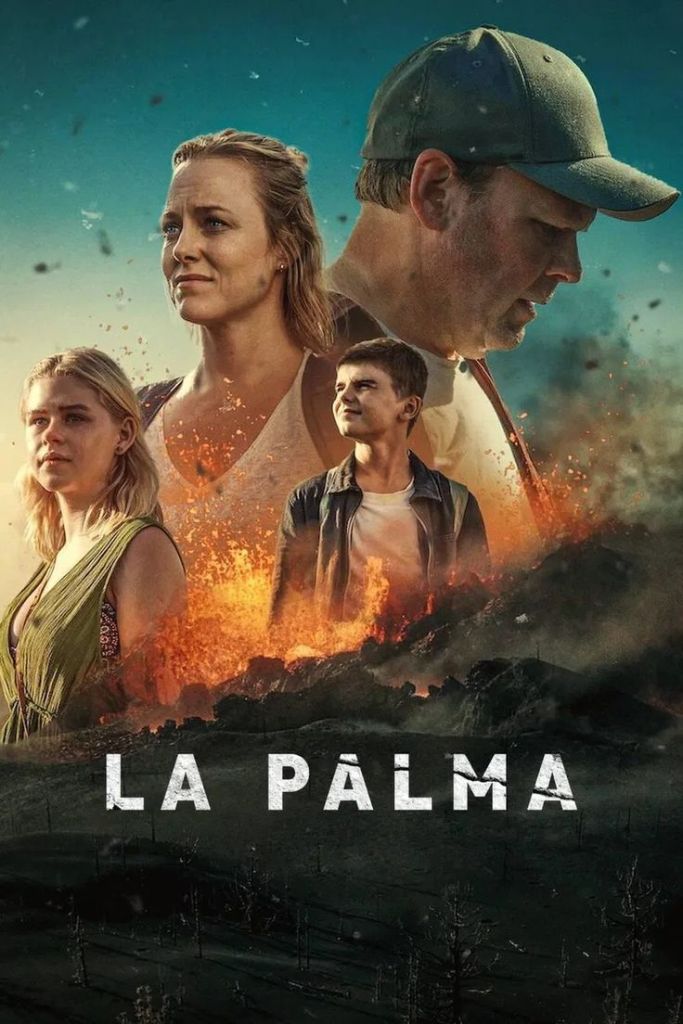
Netflix’s La Palma is an exploration of survival and loss set against the backdrop of a catastrophic volcanic eruption. Coincidentally, the release of this series happened close to the ongoing Pasadena catastrophe. The series captures the sheer terror and devastation unleashed by nature, offering a poignant reminder of real-world disasters like the wildfires that have ravaged Pasadena and its surrounding areas. Through its compelling storytelling, La Palma sheds light on a sobering truth: it’s all too easy for those untouched by tragedy—or even those who live in fragile landscapes—to forget, to move on, and to carry on with life as if we are forever protected and safe from the vagaries of nature. I happened to see the series while also compulsively consuming the reportage on the wild, uncontained fires ravaging LA, as a result of which, I had vivid nightmares. People are living this nightmare. These natural catastrophes are becoming more frequent and more potent in their impact, not just in LA but across the globe in India, Hawaii, Florida, Southeast Asia, Australia, and Europe …
When disasters strike, the immediate images of destruction dominate headlines and social media feeds. Charred landscapes, displaced families, and heart-wrenching stories of loss briefly hold our collective attention. But as days turn into weeks, and weeks into months, the world moves on. Life quickly returns to normal for those outside the disaster zone, leaving behind only faint echoes of concern.

Even those living in fragile landscapes are not immune to this forgetfulness. In Pasadena, where the threat of wildfires looms annually, the memory of destruction often fades as the seasons change. After the fires are extinguished and the air clears, there is a natural, almost necessary, inclination to return to routines. Homes are rebuilt, trees regrow, and life resumes. But the cycle of forgetting is part of what allows the next disaster to feel so sudden, so shocking, as though we didn’t know it was coming.
La Palma captures this tension well. The island’s residents, long accustomed to living under the volcano’s shadow, develop an uneasy coexistence with the threat. Yet, when the eruption finally comes, it is a violent reminder of the precariousness of their lives—a truth they had learned to live with, only to forget in their quest for normalcy. The naysayers are forced to rally at the last minute, but not before sufficient damage to life and property has taken its toll.
The human capacity to forget is, in many ways, a survival mechanism. Those directly affected by disasters often have no choice but to focus on rebuilding their lives, suppressing the lingering fear and trauma to move forward. Unfortunately, the administration forgets too.
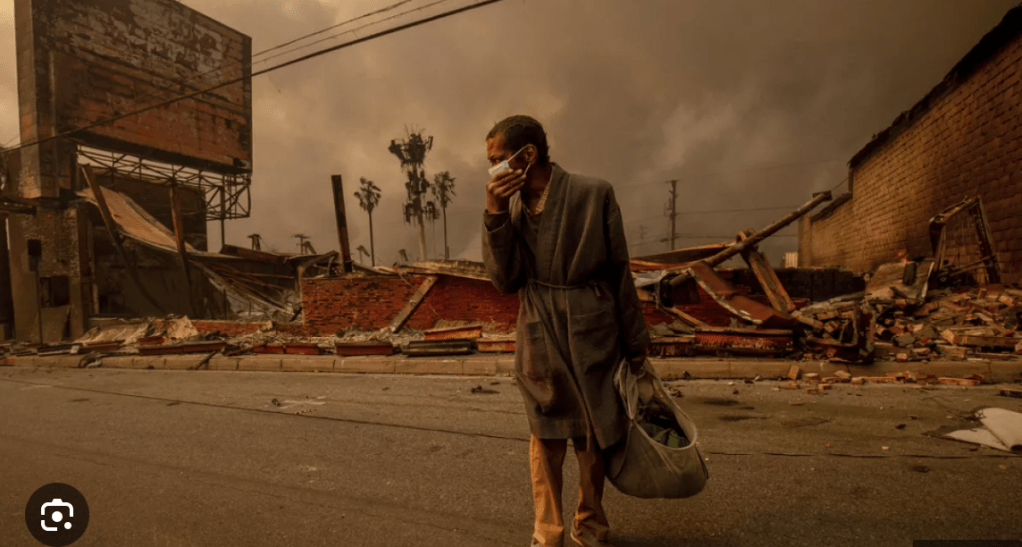
In Pasadena, the fires are a yearly reminder of this dangerous cycle. Fire prevention measures are often deprioritized once the flames are out, and the urgency of addressing the root causes—climate change, poor urban planning, deforestation—wanes with time.
For those who have lived through these disasters, forgetting is rarely an option. Survivors carry the weight of their experiences long after the world has moved on. While onlookers may marvel at their resilience and ability to “bounce back,” this narrative often overlooks the ongoing struggle—the sleepless nights, the flashbacks, the financial burdens. The physical rebuilding may be visible, but the emotional and psychological reconstruction is far more complex and enduring.
The series La Palma serves as a reminder that disasters, whether fictional or real, are not isolated events. They are part of a broader story about humanity’s fragile relationship with nature. Forgetting this story, even momentarily, is a privilege that the planet—and those who suffer the consequences—cannot afford.
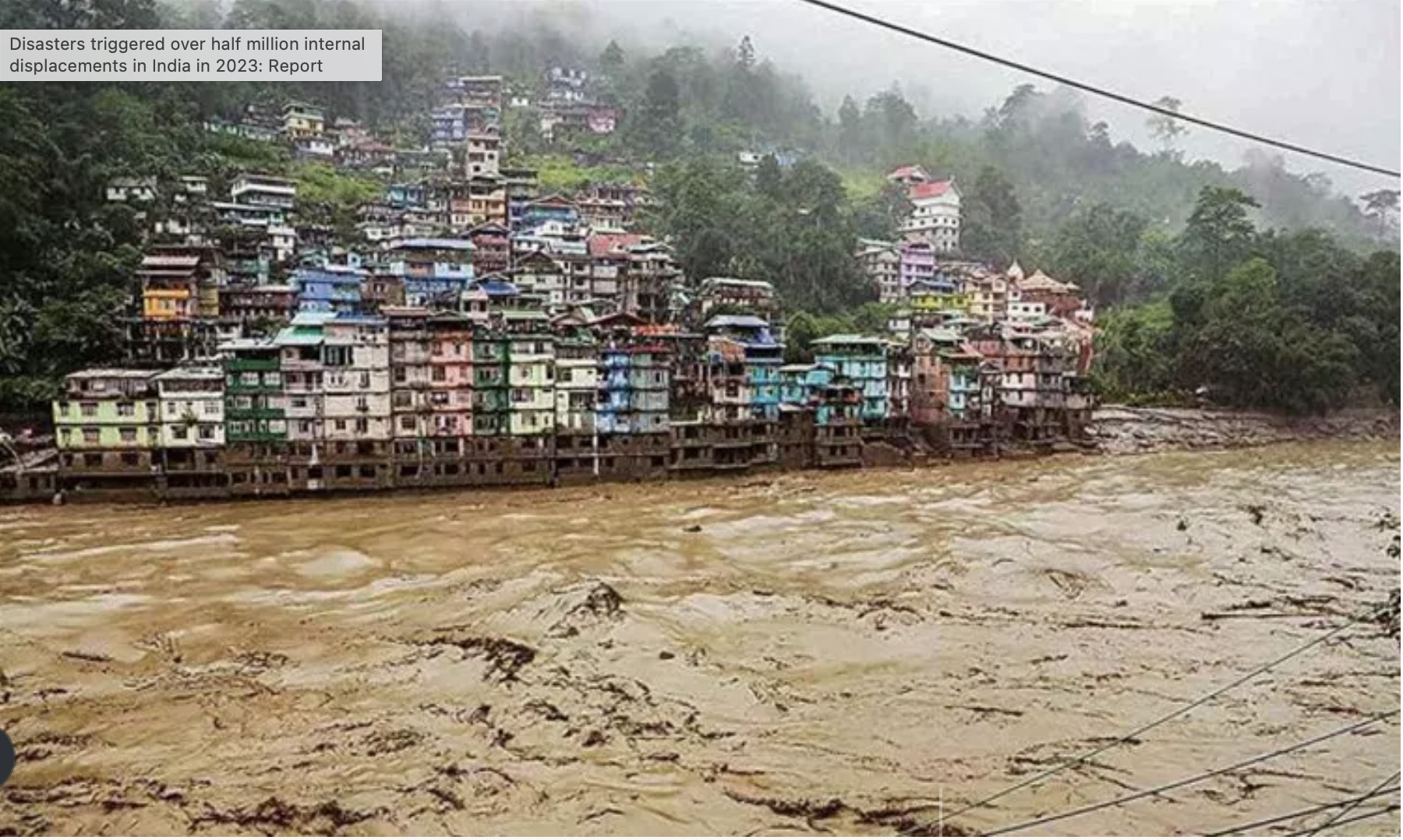
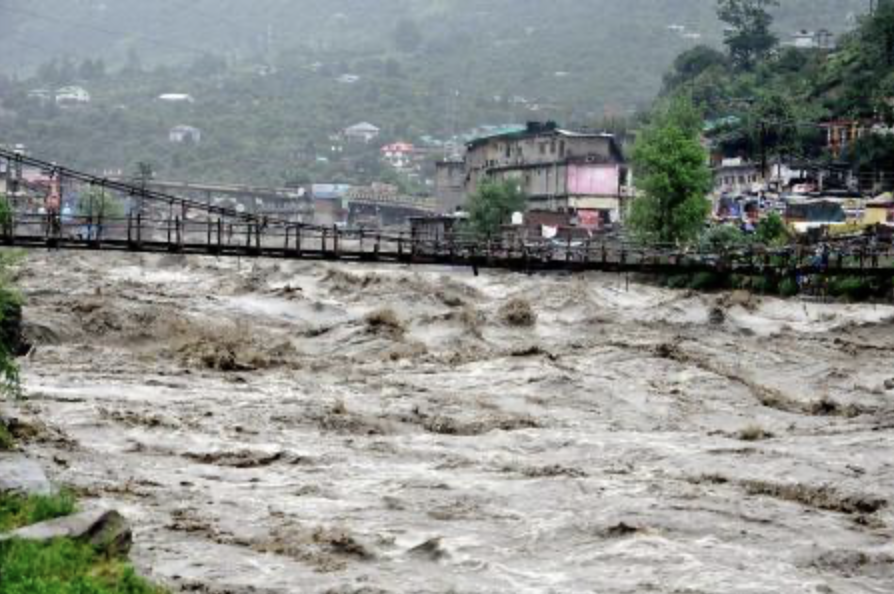
For those living in fragile landscapes like California and the wider world watching from a distance, the challenge is to hold onto the lessons left behind by these calamities. We must remember the urgency of addressing climate change, the importance of supporting affected communities, and the need to prepare ourselves better.
 Content Matters