
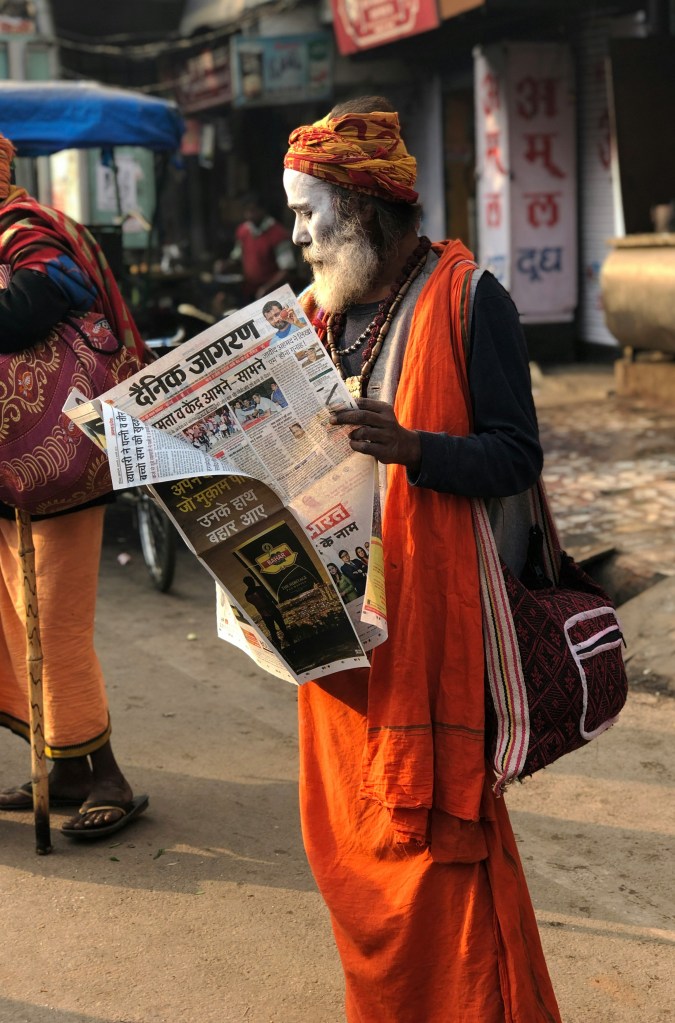
In today’s media landscape, everyone seems to have an opinion on its problems: the struggle for control, the relentless pursuit of profit, and the ever-popular blame game. But let’s try a different angle. What if, just for kicks, we imagine a world a decade from now where media isn’t just a profit-churning machine, but something democratic, creative, and—dare I say—conscientious? How do we get from our current media circus to this utopian vision?
The debate over who’s really in charge of our screens – be it news, entertainment, or those endless publications – is a bit like a merry-go-round. Some point fingers at the money trail, leading to the puppet masters in the shadows. Others argue it’s the editors, programming heads, and those elusive ‘creative types’ calling the shots. Consider how the State uses media: a case study in fearmongering and distraction. Remember the SSR saga? A masterclass in diverting attention from real issues like the migrant crisis.
Now, entertain this: what if we axed the 24-hour news channel format? No more sensational ‘breaking news’ or opinionated ‘experts’ molding our thoughts. Imagine the void in our daily noise – a bit unsettling, isn’t it?
Regarding media education, perhaps it’s time for a curriculum revamp. As it stands, the industry is a club of the same faces, echoing similar views. We need more than just a token diversity workshop. There’s a comical predictability in the panels of ‘experts’ shaping public opinion. Maybe it’s time to teach the upcoming generations to see through this charade.

Infotainment has become a parody of itself, with its predictable tropes and lack of genuine diversity. It’s all about repackaging the same old stories for mass consumption and public ‘reprogramming’. Yet, while technology promises a glimmer of independent thought, print media still dances to the tune of government and big business.
Regional publications might offer a hint of autonomy, but let’s not kid ourselves – they’re under siege from mainstream narratives.
Social media is a wild card, a mixed bag of unfiltered rants and amateur punditry. The whole tech giants versus government saga, like Australia’s tiff with Facebook, is a modern David and Goliath story – but with ad revenue and data privacy at stake. It’s a quirky world where governments try to tame the tech behemoths while smaller outlets struggle to stay afloat in a sea of misinformation and online toxicity.
Then there’s the question of media control becoming the new normal. Companies face a tough choice: toe the line or risk the wrath of government guidelines. It’s a delicate dance between speaking out and staying afloat amidst media manipulation, profitability woes, and catering to the masses. The plight of these companies almost deserves a violin soundtrack.
As we daydream about a reimagined media future, let’s not forget the current reality. It’s a tangled web of interdependencies where changing one thread could unravel the whole thing. To move towards this hypothetical media utopia, we need to start with something more grounded – like maybe acknowledging the elephant in the room: that our media landscape is less about informing and more about entertaining, persuading, and, let’s face it, most times deceptive. A dash of accountability would be a good start, but then again, in the media world, that might just be another fantasy.
 Content Matters